
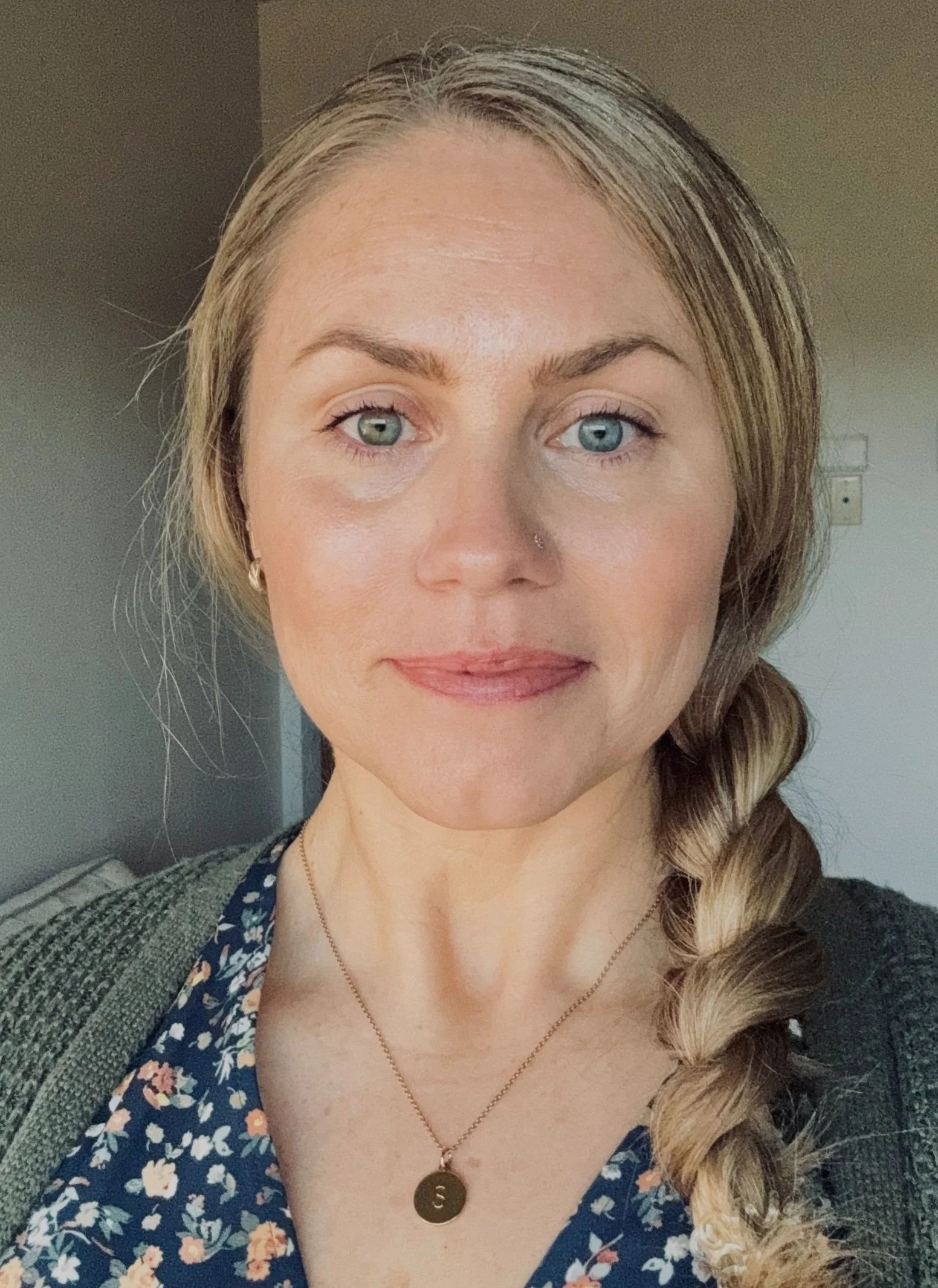
Why I Do This Work
I spent more than twenty years as an ER nurse before I became a psychiatric nurse practitioner. I watched the downstream effects of a system that doesn't prioritize mental health. Painfully long waits for an in-network provider. Rushed, 15 minute visits with a clinician who is running behind and watching the clock. Prescriptions and little else, with instructions to come back in three months. I always wondered how differently things could go if there was a focus on prevention and early intervention, and what it would look like if providers had the time to actually talk with patients about things like nutrition, exercise, and other lifestyle factors, not just write a prescription and move on. This was part of my reason for becoming a psychiatric nurse practitioner. I knew I could offer something different and much, much better.
Why Anxious, Neurodivergent Women?
I chose to specialize in anxiety in neurodivergent women because this is one of the most overlooked, misdiagnosed, and misunderstood combinations in psychiatry.
Here are the patterns I started to see:
Women who've been told they have generalized anxiety disorder, when it's actually anxiety driven by undiagnosed ADHD or autism.
High-achievers who've spent their entire lives anxiously monitoring every word, every facial expression, every social interaction to avoid making mistakes, and are now completely burned out from the constant vigilance.
Women who've tried SSRIs for anxiety, but they didn't work (or made things worse) because no one addressed the underlying neurodivergence creating the anxiety in the first place.
People who can't tell where the anxiety ends and the ADHD begins, because they're completely intertwined.
Anxiety in neurodivergent women is different.
It's not just "worried thoughts." It's:
Sensory overwhelm that triggers panic
Executive dysfunction that creates constant fear of forgetting something important
Masking and camouflaging that creates chronic hypervigilance
Rejection sensitivity that makes every social interaction feel high-stakes
Racing thoughts from an ADHD brain that won't turn off
Traditional anxiety treatment can miss this.
I built my practice differently, to address anxiety in the context of your neurodivergent brain.
My Approach
I don't do 15-minute med checks. I don't just throw medications at symptoms and hope something sticks.
Instead, I offer comprehensive care that includes:
A thorough assessment that is never rushed. We take our time to make sure I fully understand your experience.
An integrative approach that looks at the whole picture. We talk sleep, nutrition, movement, nervous system support, routines, relationships and environment, because mental health doesn't exist in a vacuum.
Relational, psychodynamic psychotherapy to address the deeper patterns, attachment wounds, identity struggles, relationship challenges, and the exhaustion of masking.
Thoughtful medication management tailored to neurodivergent brains. That means starting low, going slow, and paying close attention to your unique sensitivities and responses though more frequent monitoring.
My Background
I'm a board-certified psychiatric mental health nurse practitioner (PMHNP-BC) with advanced training in:
Psychotherapy (relational and psychodynamic approaches)
Integrative psychiatry
Nutritional psychiatry
Group facilitation
Before becoming a psychiatric nurse practitioner, I spent over 20 years as an ER nurse. That experience taught me how to stay calm in crisis, think critically under pressure, and never dismiss someone's suffering just because it doesn't fit a textbook.
It also showed me firsthand how our healthcare system fails people with mental health needs, which is a big part of why I'm committed to doing things differently.
What Makes Me Different as a Clinician
Here’s what I believe in:
Evidence-based care combined with holistic thinking
Looking at the unique biological, psychological, and social factors influencing how you feel and function
Being curious about underlying contributing factors that may make it more difficult for you to feel better
Treating you like the intelligent, capable person you are, and acting as your ally, not an authority figure
Being honest about what we know, what we don't know, and what's still emerging
Lower and slower medication approaches when appropriate, not because medications are "bad," but because neurodivergent brains often need a gentler approach
Integrating lifestyle and nutrition support as part of comprehensive care
Using well-researched supplements and nutraceuticals when I genuinely think they will benefit you
A Bit About Me Personally
Outside of my practice, I'm someone who values movement, humor, creativity, travel, and relationships. I've been a yoga teacher, an endurance cyclist, an amateur baker, and a lifelong learner when it comes to health and wellness. I also know what it’s like to go overboard and become rigid about ‘optimizing wellness.’
I bring curiosity into my work with patients in a "let's figure out what actually works for YOUR brain and YOUR life" way.
I also have a dog named Rosie who occasionally makes appearances during telehealth sessions from my home office. She's excellent at reminding me (and my patients) to take breaks and not take life too seriously.
My Practice Philosophy
I believe the relationship between patient and provider matters just as much as the treatment itself.
If we work together, here's what you can expect:
We ditch the power dynamic that you can often feel in psychiatry appointments
Sessions that feel like actual conversations, not interrogations
A provider who listens without judgment
Honest, clear explanations about medications, treatment options, and what to expect
Respect for your autonomy and decision-making
Recognition that you're the expert on your own experience
If I don’t know something, I’ll say it, then I’ll go find the answer
You won't be alone
Want to Learn More?
If you're curious whether we might be a good fit, I offer a free 15-minute consultation call to discuss what you're struggling with and how I might be able to help.